


In 1619, following the collapse of Mugishima Castle due to a massive earthquake, Kato Kiyomasa constructed Yatsushiro Castle as its successor. At that time, the castle's main compound featured a five-story, four-level main keep, a smaller two-story, two-level minor keep, and seven turret buildings, among others. Limestone was used for the stone walls encompassing the entire castle. In 1632, Hosokawa Tadaoki took over, and from 1646, when Matsui Okinaga took residence, the Matsui family governed until the castle was decommissioned in 1870. A lightning strike in 1672 caused the main keep to burn down. Today, the castle site has been preserved as a public park, with remnants of the main compound's stone walls and moat still visible. It is also a popular spot for its cherry blossoms.
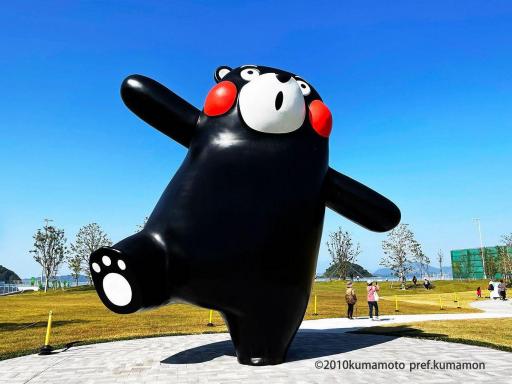
This facility was developed through a public-private partnership involving the national government, Kumamoto Prefecture, and Royal Caribbean as a hub…

The Toyo Masonry Museum, or “Sekisho-kan,” is Japan’s first museum to showcase the unique skills and technology developed to build stone bridges. Sek…

Founded in the year 713, the shrine venerates the god Wadatsumi no Kami, and is also known by another name: Sword Shrine. The shrine is believed to p…

Takabuto Mountain is a 117-meter hill in the eastern part of Matsushima-machi, a scenic spot on a par with Mt. Senganzan. From near the summit, you c…

Boulangerie Gitane is a popular bakery in Yatsushiro City, offerring the piroshki-like savoury bread with Taipien-style ingredients that use a plenty…

Complex facility “L'isola Terrace Amakusa” was opened in July 2015. All seats have ocean view, and this restaurant serves fresh ingredients from Amak…

Shiomaneki is an ocean-front seafood restaurant directly managed by a fish store. They offer a variety of dishes such as Kaisendon seafood rice bowl,…

This spot is a favorite for those looking to savor fresh sweetfish (ayu) from the Midorikawa River. Whether it's sashimi, grilled with salt, or the s…